
Scores on the doors: Spain 17,000, UK 2,000
Chasing Spain: the UK’s race to build a padel nation is well and truly on, with new courts, new initiatives and new tournaments popping up almost every day. But how do we compare with Spain, the nation that has truly taken padel to its heart? Journalist Chris Marshall finds out.
Padel fans in the sunbaked Spanish town of Alcobendas, just north of Madrid, needn’t travel far to get their fix.
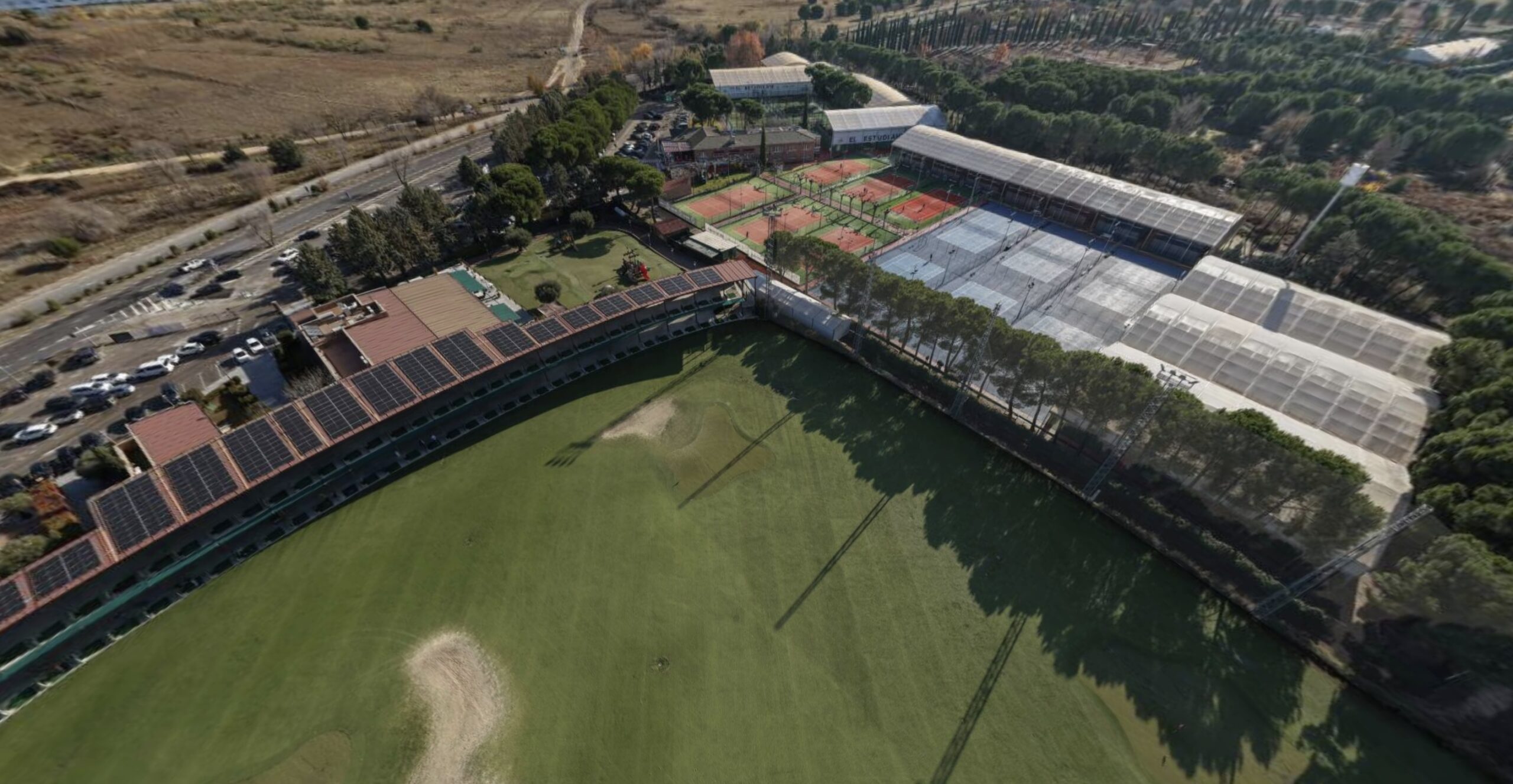
While the community’s well-heeled residents have plenty of padel clubs to choose from, none rival Club El Estudiante, said to be one of (if not the) largest padel club in the world, with 40 courts (plus tennis, golf and Crossfit). This padel superhub on the edge of Madrid is emblematic of just how far the sport has come in Spain, with upwards of 17,000 courts that are used by more than 5.5 million players.
Could the UK, with our burgeoning love of padel, ever come close to Spain’s embrace of the sport?
Padel in Britain
The UK, as it stands, is a padel minnow compared to Spain and several other nations. The latest stats from Trust Padel put the number of courts in the UK at just over 2,000 (600+ clubs). The most recent LTA figures put player numbers in Great Britain at more than 400,000, but it’s likely to be far higher given that this number was released in May 2025 and padel has grown significantly since. However, these figures represent a huge leap from fringe pursuit not long ago to increasingly mainstream sport.
Manchester provides a useful lens to understand the growth and potential of padel in the UK. “In the space of 18 months, the Greater Manchester area has gone from 15 padel courts to 92,” said Soul Padel CEO Mark Hewlett, who set up his first courts on the edge of the city in 2024. “Yet even that level of growth still sustains a health business…we still retain a 95% utilisation of our four covered courts.”
Manchester is not exceptional. Powered mainly by a growing crowd of go-getting entrepreneurs, coupled with the sort of PR push pickleball could only dream of, Britain is now one of the top three padel markets in the world by revenue, according to data from Playtomic.
Lessons from abroad
Yet people who know padel well on an international level quickly put paid to any comparisons between the UK and Spain, with its sunny climate, greater space, typically cheaper rates and openness to the sport. “Spain’s an outlier because it owns the sport,” said Hewlett.
Sandy Farquharson, founder of The Padel School, agreed: “In Spain, they’ve had padel for almost 50 years… so for us to think that we can catch up overnight is ignorant thinking.”
Nonetheless, the UK still represents one of Europe’s fastest-emerging padel markets. “We’re barely scratching the surface at the moment,” said Farquharson. “A lot of people are already talking about places in the UK becoming too saturated with padel, and I just don’t think that they understand the scale of it in other countries,” added the Team GB men’s padel coach, who expects four to five more years of strong growth.
Growing pains
By international standards, UK growth has been ‘steady’, according to Paul Regan, managing director of court builder Pro Padel Courts, which has built more than 150 courts in the UK. While he sees a bright future for the sport in the UK, he said: “I don’t think we will ever truly boom” as planning restrictions and constraints hold growth in check.”
Farquharson, whose company provides padel education, added: “If you compare it to some of the other countries, it’s much more difficult and time consuming for clubs to be built in the UK.”
Then there are the noise complaints that are often called out in the media, with potentially harmful effects on future growth. Hewlett pointed to other countries where noise complaints have led to restrictions on club opening hours, or even forced them to close.
Key to growth, say some operators, will be ensuring padel is built around communities – as has been the case in Spain and other more established markets. In the UK, the LTA estimates that more than three-quarters of all padel venues are involved in some form of community outreach. But this can fall by the wayside when growth is pursued too aggressively. “I think we’re going through a phase at the moment where some club owners don’t quite understand sport,” said Farquharson. Converting tennis courts into padel venues doesn’t simply translate into thriving padel communities, he suggested.
Hewlett has put community at the heart of Soul Padel’s proposition: “If you do not build a community around the sport, your returns will be short-lived,” he argued, suggesting that the clubs that failed in Sweden – the textbook case of a padel boom and bust – were those that didn’t build around communities.
While the UK is no Sweden, a maturing of the market here – when players will start having a true choice between clubs – could start to filter out some of the more hastily-created set-ups. Regan said: “Within the next phase of growth, when there is more choice, people will go to venues that have the best courts, best lighting, best cafe, best changing rooms…not those that are cutting corners and doing things on the cheap. People will start voting with their feet.”
That next phase of growth could also be the time when serious money comes into the market. So far, high net worth individuals or family offices have done a lot of the financial heavy lifting. Hewlett said: “I think the institutional, private equity investment is poised and ready, but is sizing up the opportunities very carefully.”
What next?
Hewlett, whose company is set to open another eight clubs in 2026, sees the market maturing into tiers: a small number of luxury padel clubs, through a ‘bulky middle’ offering affordability and accessibility, and then discount offerings ‘probably open air courts that are publicly available to book, with no added value’.
Bigger operators may also make inroads into the market. Hewlett added: “There will be a consolidation of the market, as has happened in the gym sector, where bigger operators acquire and merge with smaller operators.” The UK could still eventually reach 10,000 – 12,000 courts, he believes.
One big unknown is the extent to which the UK’s padel future is outside or indoors. While Regan said a spot of rain won’t stop play, Farquharson is clear that wet weather will eventually push people indoors: “As soon as people discover indoor padel, they’re going to want to play indoors. I think the landscape will definitely change and we’ll move more towards stand-alone indoor clubs, like you see in the rest of the world.”
Come rain or shine, the UK will follow its path to padel – ambitious but unlikely to ever rival Spain’s deeply-entrenched padel scene. 🎾