Tennis elbow is the scourge of many a padel player, so much so that it is now commonly known as padel elbow. But what exactly is it? We’ve spoken to specialist sports physiotherapist Wesley Teixeira, founder of Physio Vita at the Queen’s Club, London, to find out. This is what he told us…
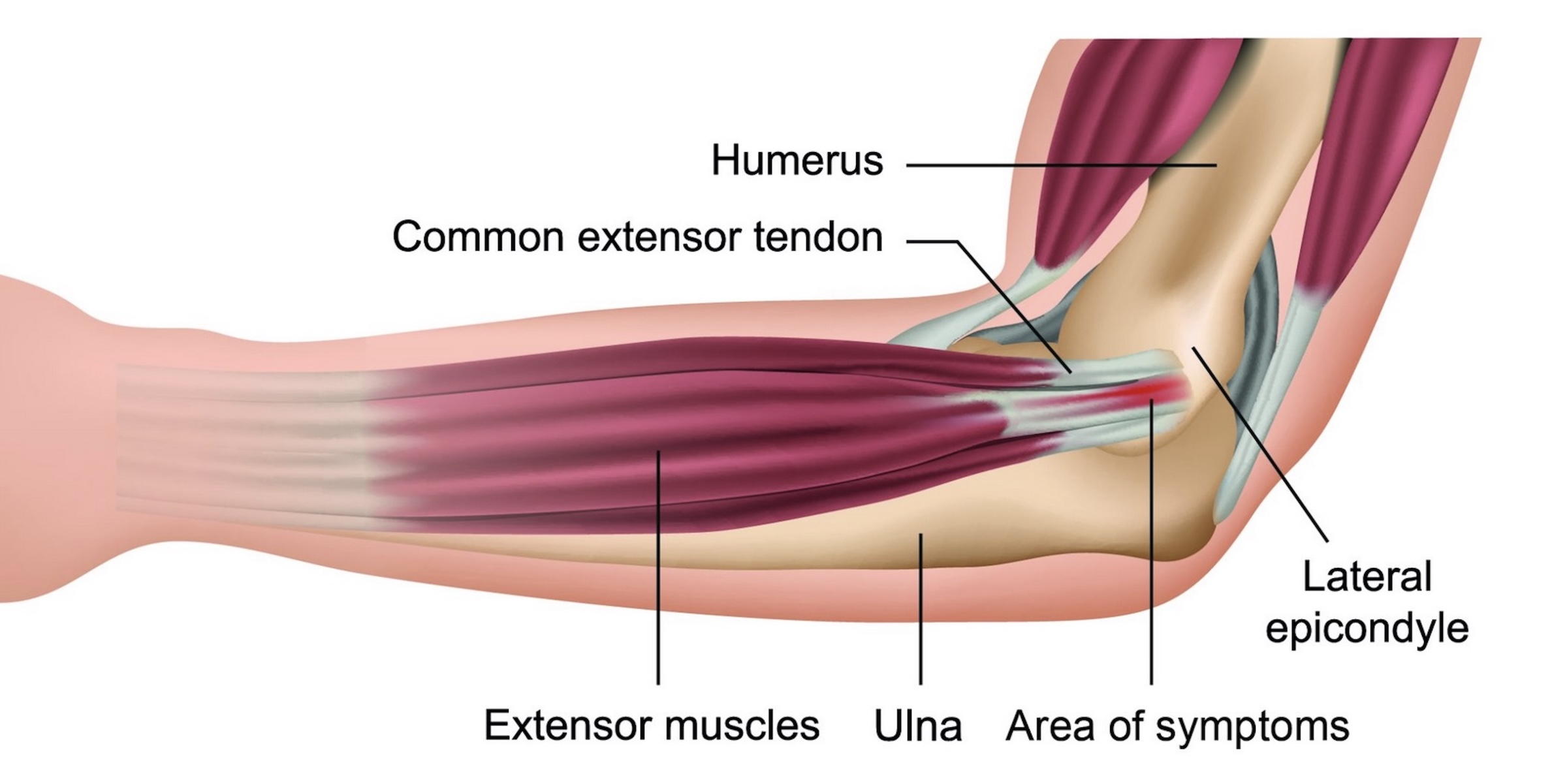
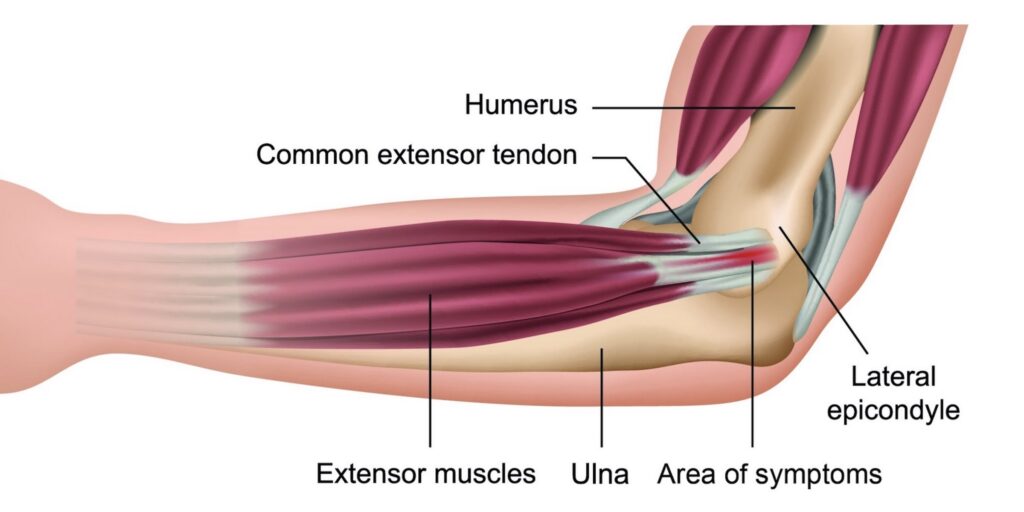
Tennis elbow (lateral epicondylitis) is an inflammatory condition affecting tendons connecting forearm muscles to the outer elbow. It typically results from repetitive stress or overuse, leading to tendon micro-tears and inflammation.
It’s not to be confused with Golfer’s elbow (medial epicondylitis), which affects the inner elbow and shares similar mechanics. It can occur due to improper technique or gripping the racket excessively tightly.
Cause: repetitive wrist extension and gripping movements (gripping too tightly), repetitive strain from incorrect technique, incorrect grip size, biomechanical imbalance (reduced range of motion or muscle weakness) and equipment (quality, weight, balance).
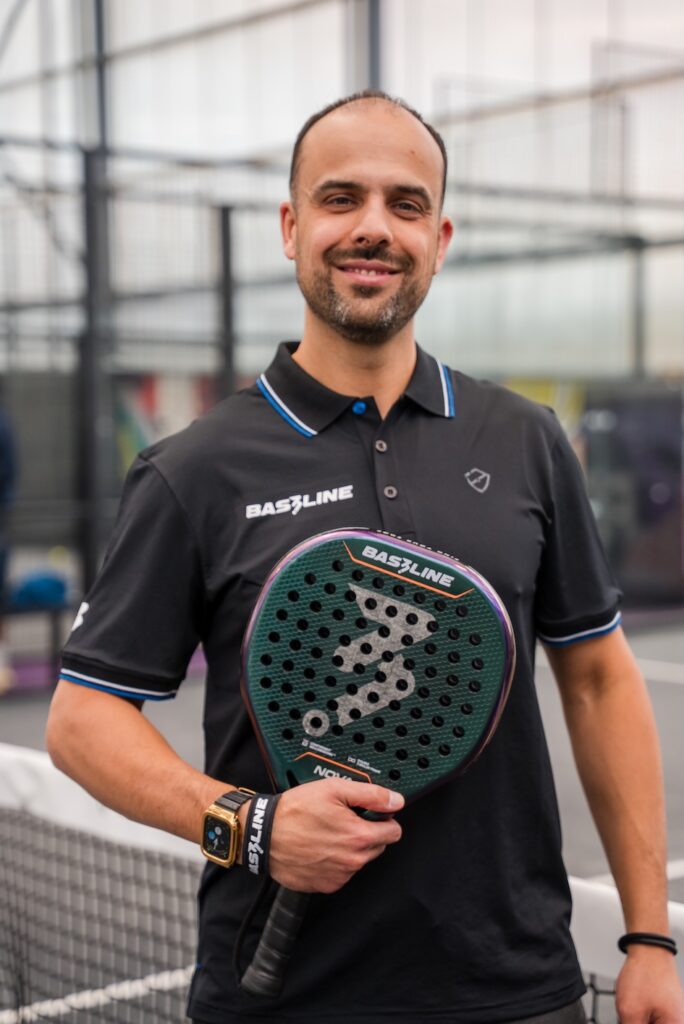
Wesley Teixeira has developed a range of padel rackets - Bas3line - targeting padel elbow.
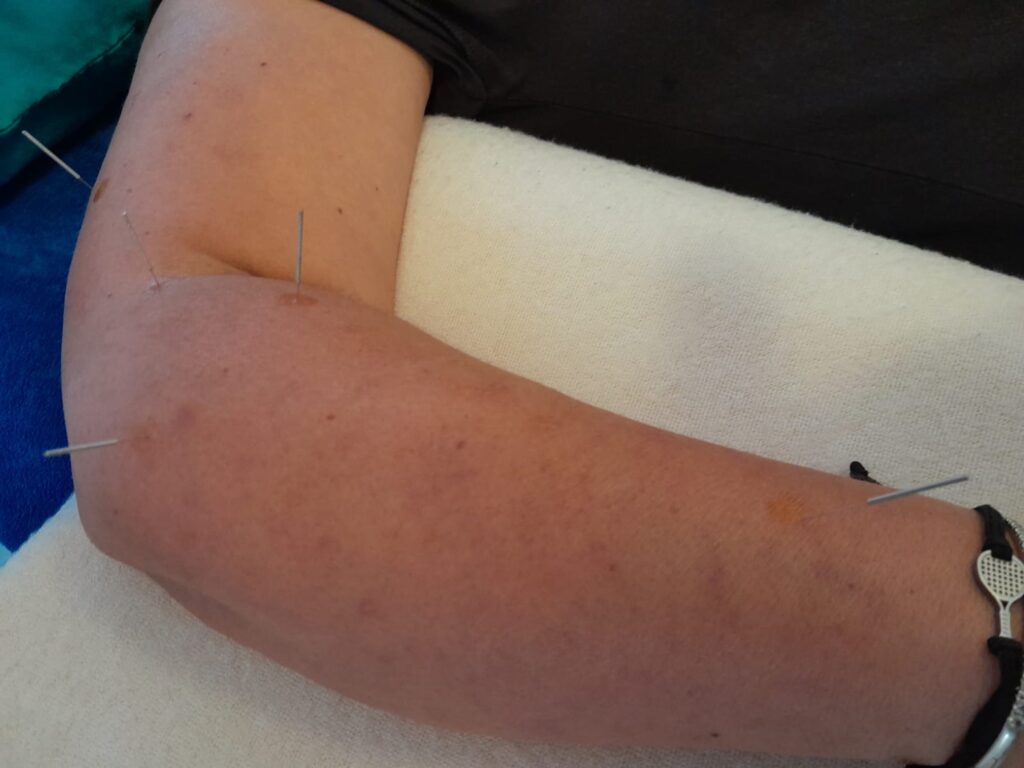
The Bandeja founder Emma Kimber tried acupuncture (unsuccessfully) to cure her padel elbow.
Biomechanical differences between tennis and padel:
* Padel rackets are typically heavier (around 350-380g) than tennis rackets (270-310g) and have a smaller head, altering the sweet spot and impact mechanics.
Tennis rackets have customised grip sizes. Padel rackets usually have a universal grip size, making an overgrip highly advisable to achieve the correct grip size.
In tennis most groundstroke techniques include top-spin or back-spin. In padel, players tend to hit slightly flatter, increasing vibration and shock to the elbow in both forehand and backhand strokes.
Given the biomechanical differences, the specific stress on the elbow might differ significantly between the two sports. Padel’s heavier rackets with smaller head size place distinct demands on the forearm and elbow tendons, potentially increasing the incidence of elbow pain. In tennis the outside of the elbow is usually affected whereas in padel, patients report pain on both the outside and the inside of the elbow. 🎾